Brostrom-Gould Technique for Ankle Stability

The Brostrom-Gould technique is a surgical procedure used to repair and stabilize the lateral or outer ankle ligaments after chronic instability or repeated sprains. It is commonly recommended when ligaments have become stretched or torn due to injuries such as ankle sprains, sports trauma, or improper healing. Risk factors include high-impact activities, weak ankle support, and a history of recurrent injuries. During the procedure, the damaged ligaments are tightened and reinforced to restore proper alignment and function of the ankle joint. This helps improve stability, reduce pain, and prevent future injuries. A podiatrist can evaluate ankle instability, determine if this procedure is appropriate, and guide recovery. If you have chronic ankle instability, it is suggested that you consult a podiatrist who can determine if this procedure will help you, explain the benefits, and address any concerns you may have about this form of treatment.

Foot surgery is sometimes necessary to treat a foot ailment. To learn more, contact David Reynolds, DPM of First Podiatry. Our doctor will assist you with all of your foot and ankle needs.

When Is Surgery Necessary?

Foot and ankle surgery is generally reserved for cases in which less invasive, conservative procedures have failed to alleviate the problem. Some of the cases in which surgery may be necessary include:

  • Removing foot deformities like bunions and bone spurs
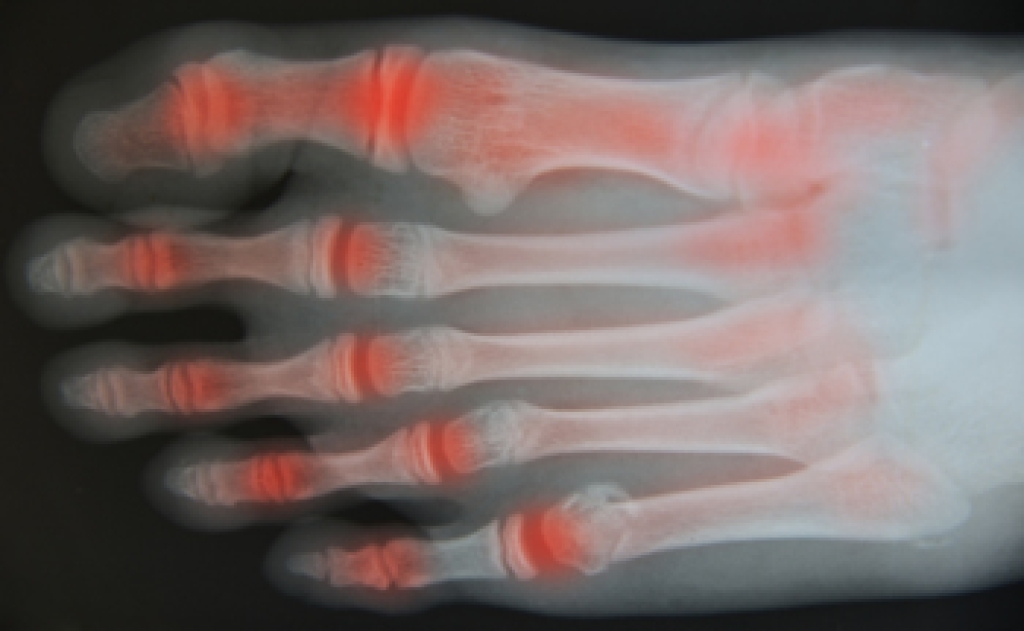
  • Severe arthritis that has caused bone issues
  • Cosmetic reconstruction

What Types of Surgery Are There?

The type of surgery you receive will depend on the nature of the problem you have. Some of the possible surgeries include:

  • Bunionectomy for painful bunions
  • Surgical fusion for realignment of bones
  • Neuropathy decompression surgery to treat nerve damage

Benefits of Surgery

Although surgery is usually a last resort, it can provide more complete pain relief compared to non-surgical methods and may allow you to finally resume full activity.

Surgical techniques have also become increasingly sophisticated. Techniques like endoscopic surgery allow for smaller incisions and faster recovery times.

If you have any questions, please feel free to contact our office located in Evansville, IN . We offer the newest diagnostic and treatment technologies for all your foot care needs.

Read more about Foot and Ankle Surgery

When a Lump on the Sole of the Foot Needs Attention

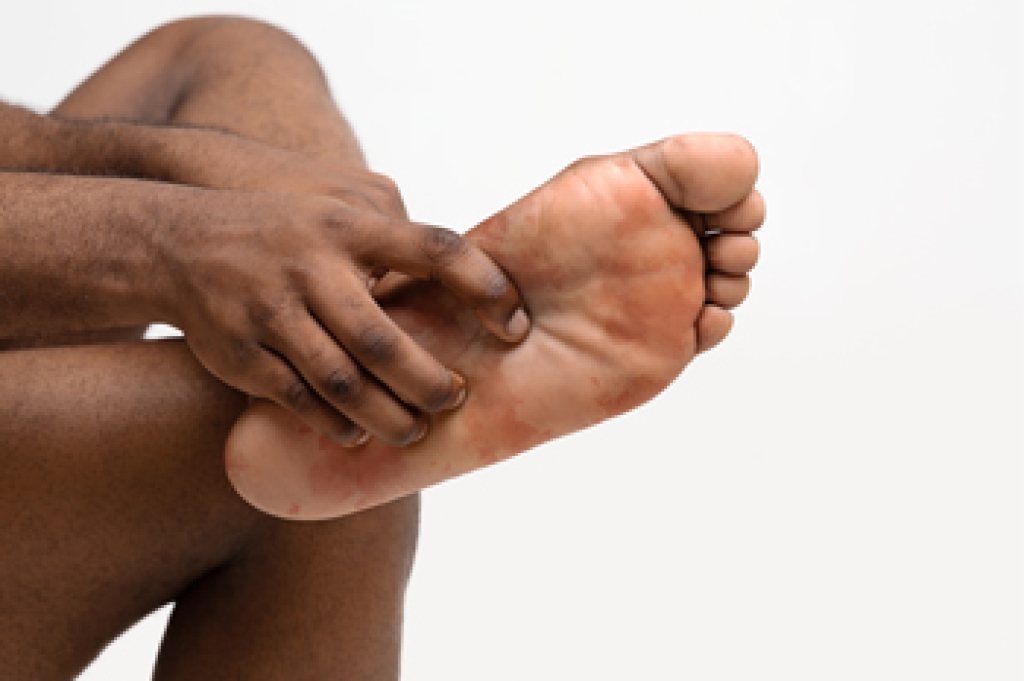
A bump on the bottom of the foot can be caused by several conditions, including plantar fibromas, calluses, or plantar warts. Plantar fibromas are firm nodules within the arch that may feel like a small knot under the skin. Calluses develop from repeated pressure or friction and appear as thickened, hardened skin that can become uncomfortable over time. Plantar warts are caused by a viral infection and may look rough with small dark dots, often feeling tender with pressure. Some bumps remain painless, while others cause discomfort when walking or standing. The area may look raised, thickened, or irregular depending on the cause, and many patients describe a sensation of stepping on something. A podiatrist can evaluate the size, texture, and location of the bump and may use imaging or gentle debridement to confirm the diagnosis. Treatment options include padding, orthotics, or in-office procedures. If you have a troublesome bump on the bottom of your foot, it is suggested that you make an appointment with a podiatrist.

Foot Pain

Foot pain can be extremely painful and debilitating. If you have a foot pain, consult with David Reynolds, DPM from First Podiatry. Our doctor will assess your condition and provide you with quality foot and ankle treatment.

Causes

Foot pain is a very broad condition that could be caused by one or more ailments. The most common include:

  • Bunions
  • Hammertoes
  • Plantar Fasciitis
  • Bone Spurs
  • Corns
  • Tarsal Tunnel Syndrome
  • Ingrown Toenails
  • Arthritis (such as Gout, Rheumatoid, and Osteoarthritis)
  • Flat Feet
  • Injury (from stress fractures, broken toe, foot, ankle, Achilles tendon ruptures, and sprains)
  • And more

Diagnosis

To figure out the cause of foot pain, podiatrists utilize several different methods. This can range from simple visual inspections and sensation tests to X-rays and MRI scans. Prior medical history, family medical history, and any recent physical traumatic events will all be taken into consideration for a proper diagnosis.

Treatment

Treatment depends upon the cause of the foot pain. Whether it is resting, staying off the foot, or having surgery; podiatrists have a number of treatment options available for foot pain.

If you have any questions, please feel free to contact our office located in Evansville, IN . We offer the newest diagnostic and treatment technologies for all your foot care needs.

Read more about Foot Pain

Connect With Us

scroll to top