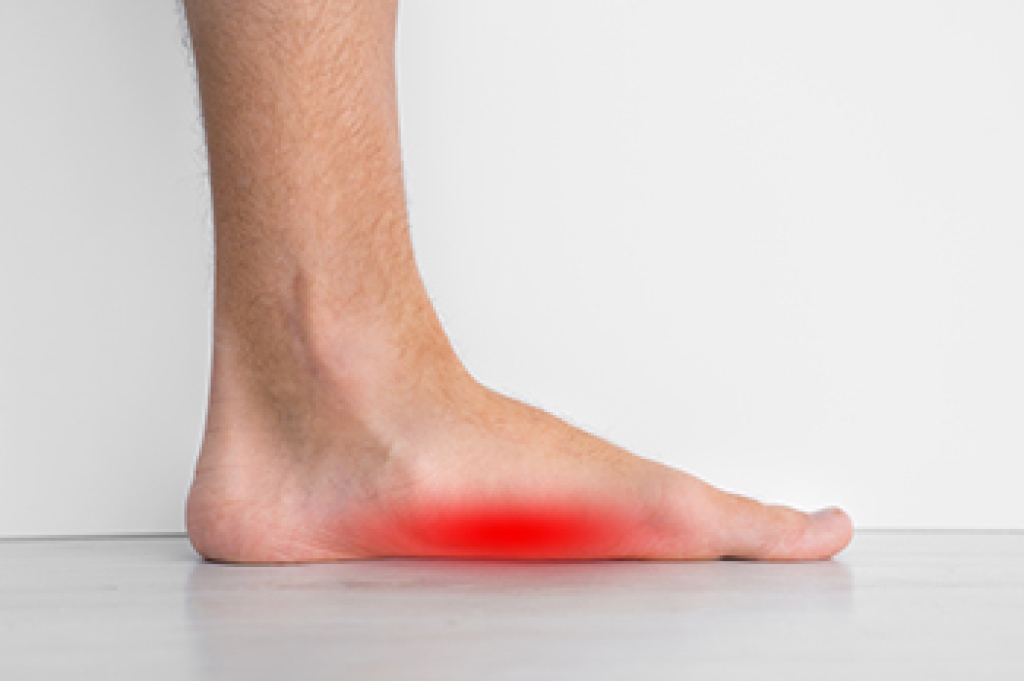
Flat feet, often referred to as fallen arches, occur when the arches of the feet are low or absent, allowing the entire sole to make contact with the ground. This condition can be present at birth or develop gradually. It affects both children and adults and may influence posture and movement. In infants and toddlers, flat feet are considered a normal stage of development because the arch has not yet formed. As growth continues, the arch usually develops, although some individuals retain a low arch due to structural or genetic factors.
Several causes contribute to flat feet. Loose or weakened tendons and ligaments may not provide enough support to maintain the arch. Genetic influence is also significant, as inherited foot structure can determine arch height. Additional factors such as injury, repetitive stress, and prolonged standing may weaken supportive tissues over time. These changes can place increased pressure on the feet and alter overall alignment, especially during weight-bearing activities.
Symptoms commonly include achy feet, fatigue, and discomfort that worsens after extended periods of walking or standing. Some individuals notice a change in gait, where the feet roll inward during movement. This altered pattern can lead to uneven weight distribution and increased strain on the ankles, knees, and lower back. Eventually, untreated symptoms can contribute to further discomfort and reduced mobility.
Risk factors include obesity, aging, previous foot injuries, and occupations that require long hours on the feet. Without proper support, symptoms may progress and interfere with daily activities. Management often includes wearing supportive footwear, custom orthotics, and strengthening exercises that promote stability. Podiatric care can help improve alignment and reduce strain on the feet. If you have flat feet that are painful, it is suggested that you consult a podiatrist for an accurate diagnosis and effective relief and management tips.
Flatfoot is a condition many people suffer from. If you have flat feet, contact David Reynolds, DPM from First Podiatry. Our doctor will treat your foot and ankle needs.
What Are Flat Feet?
Flatfoot is a condition in which the arch of the foot is depressed and the sole of the foot is almost completely in contact with the ground. About 20-30% of the population generally has flat feet because their arches never formed during growth.
Conditions & Problems:
Having flat feet makes it difficult to run or walk because of the stress placed on the ankles.
Alignment – The general alignment of your legs can be disrupted, because the ankles move inward which can cause major discomfort.
Knees – If you have complications with your knees, flat feet can be a contributor to arthritis in that area.
Symptoms
- Pain around the heel or arch area
- Trouble standing on the tip toe
- Swelling around the inside of the ankle
- Flat look to one or both feet
- Having your shoes feel uneven when worn
Treatment
If you are experiencing pain and stress on the foot you may weaken the posterior tibial tendon, which runs around the inside of the ankle.
If you have any questions, please feel free to contact our office located in Evansville, IN . We offer the newest diagnostic and treatment technologies for all your foot care needs.